SHRIJI BROADCASTING

Uncategorized

Shriji Broadcasting: Complete Company Profile, Services, Live Streaming & Digital Media

Shriji Broadcasting is a live streaming company in Delhi NCR offering live streaming, webcasting, videography and digital media production services. Based in Rohini, Delhi, the company supports religious programmes, corporate conferences, sports tournaments and cultural events. Its digital media presence also includes SHRIJI TV, a YouTube channel featuring spiritual and devotional content. 1. What Is Shriji Broadcasting? Shriji Broadcasting is a Delhi-based service provider operating in the live streaming, video production, and digital media sector. Public business directories describe the company as offering videography services, live streaming and webcasting services, and advertising services from its base in Rohini, New Delhi. The company’s registered address is listed as Flat No. C-197, 2nd Floor, Sector 1, Near Durga Mandir, Avantika, Rohini, Delhi 110085. Industry categorizations across platforms vary slightly: some list Shriji Broadcasting under “Telecom Equipment” or “Photography” categories, while others classify it under “Live Streaming Video Services” and “Webcasting Service.” This variation likely reflects how different directories tag businesses rather than conflicting information about the company’s core operations. What is consistent across sources is that Shriji Broadcasting provides live streaming, videography, and related digital media services in Delhi. The company operates Monday through Saturday, 10:00 am to 5:00 pm, and is closed on Sundays, according to Justdial listings. Publicly available information could not independently verify additional operational details such as team size, years of experience, or specific equipment specifications. 2. Company at a Glance Field Information Business Name Shriji Broadcasting Location Sector 1, Rohini, Delhi 110085 (Near Durga Mandir) Industry Live Streaming, Video Production, Digital Media Business Type Service Provider Core Services Live Streaming, Webcasting, Videography, Advertising Services Digital Content Brand SHRIJI TV (YouTube) Geographic Focus Delhi/NCR Publicly Reported Business Information GST: 07AAZPY0053A1ZJ; Contact: +91 7011925830 The business name, location, and GST registration details are based on government and public business records. Service descriptions come from multiple third-party business directories such as Justdial, IndiaMART, and Magicpin. SHRIJI TV is identified as the company’s YouTube channel based on publicly available channel information. Readers should verify current details from Shriji Broadcasting’s official channels, as business listings can be updated.youtube 3. What Exactly Does Shriji Broadcasting Do? Shriji Broadcasting’s service portfolio, as reported by public directories, centers on live event coverage, video production, and digital distribution. Below is a breakdown of the key service areas. Live Streaming Live streaming involves broadcasting event content in real time to online viewers through platforms such as YouTube, Facebook, or custom web players. For clients, this enables remote audiences to watch events as they happen, whether it’s a corporate seminar, religious programme, sports tournament, or cultural function. Shriji Broadcasting is listed as providing “Live Streaming Webcasting Service” and “Live Streaming Video Services” in Delhi. Video Production and Videography Professional videography captures high-quality recorded footage of events, which can be edited into highlight reels, full-length recordings, or promotional content. Video production services typically include pre-event planning, on-site multi-camera coverage, and post-production editing. Shriji Broadcasting is described as offering “Videography Services” alongside its live streaming offerings. Broadcasting and Webcasting Webcasting refers to distributing live or recorded video content over the internet to a broad audience. This can include streaming to multiple platforms simultaneously, integrating graphics or lower-thirds, and providing interactive features such as live chat. Shriji Broadcasting is listed as a webcasting service provider in Delhi, with IndiaMART noting streaming platform options including YouTube Live, Facebook Live, Instagram Live, and Microsoft Teams. Digital Media Distribution Beyond live coverage, digital media distribution involves making event content accessible through online channels after the event concludes. This can include uploading recorded sessions to YouTube, sharing clips on social media, or archiving content for on-demand viewing. Shriji Broadcasting’s association with SHRIJI TV suggests experience in publishing digital content to YouTube, though the commercial scope of this activity is not fully detailed in public sources.youtubeyoutube 4. YouTube — SHRIJI TV SHRIJI TV is the YouTube channel associated with Shriji Broadcasting. The channel’s description states: “SHRIJI TV is a platform for people who want to get spiritual knowledge. Here we broadcast videos related to spirituality, mythology, SPORT…”. Content categories mentioned include spirituality, Hindu mythology, meditation, bhajans, temple stories, and spiritual programmes.youtubeyoutube The channel URL is https://www.youtube.com/channel/UCpH0VI6AWpTTAY7BL2uRzGw. Publicly available information could not independently verify current subscriber counts, total views, or upload frequency at the time of research. SHRIJI TV appears to function as a digital content arm that complements Shriji Broadcasting’s live streaming and video production services, particularly for spiritual and religious content.youtubeyoutube 5. Shriji Broadcasting Services As a live streaming company in Delhi NCR, Shriji Broadcasting provides broadcasting and webcasting solutions for different types of events. Live streaming applications for Shriji Broadcasting may include: Live Streaming Justdial lists Shriji Broadcasting under “Live Streaming Video Services” with a 4.8–4.9 star rating based on approximately 38–42 reviews. Video Production Video production services may cover: Broadcasting Broadcasting and webcasting offerings may include: Religious and Spiritual Broadcasting Given SHRIJI TV’s focus on spirituality, mythology, and devotional content, Shriji Broadcasting may have particular relevance for: It is important to distinguish between SHRIJI TV’s existing public content and the full range of commercial services offered. Not every type of spiritual content on the channel necessarily represents a paid service offering, though the channel does indicate capability in this domain.youtubeyoutube Public Reputation Shriji Broadcasting has received positive ratings on Justdial, with an average rating of approximately 4.8–4.9 stars based on 38–42 reviews as of late 2024. Sample review excerpts describe the company as providing “Best live streaming services.” Review counts and ratings can change over time, and readers should check current listings for the most up-to-date information. 6. Potential USP of Shriji Broadcasting This section presents strategic analysis based on publicly available information, not officially declared company positions. Delhi/NCR Local Presence Shriji Broadcasting’s physical location in Rohini, Delhi may offer advantages in terms of local responsiveness, on-site coordination, and familiarity with Delhi/NCR venues and logistics. Live Streaming + Video Production The combination of live streaming and videography services under one provider could simplify coordination for clients who need both real-time broadcasting and

Shriji Broadcasting: Complete Company Profile, Services, Live Streaming & Digital Media Read More »

Religious & Spiritual Live Streaming: A Complete Guide for Temples, Satsang, Katha, Bhajan & Hindu Festivals

People participate in religious and spiritual events differently today than they did even a decade ago. Physical attendance at temples, satsang gatherings, katha programmes, and major Hindu festivals is not always possible for everyone. Many devotees live in other cities or abroad, face travel limitations, are elderly, or have work and family commitments that prevent them from being present in person. Live streaming has emerged as a meaningful way for people to watch religious events remotely while they are happening in real time. This technology allows temples, spiritual organizations, and festival committees to broadcast aarti, puja, discourses, bhajan programmes, and major celebrations to online audiences who cannot attend physically. This guide covers the essentials of religious live streaming, including temple live streaming, satsang, katha, bhajan programmes, and major Hindu festivals such as Janmashtami, Navratri, Ram Navami, and Ganesh Chaturthi. Whether you are managing a temple, organizing a spiritual event, or exploring professional broadcasting support, this article explains what you need to know. Shriji Broadcasting, a Delhi-based media and broadcasting business, is one of several companies in the Delhi/NCR region that provides live streaming and video production services for religious and other events. What Is Religious & Spiritual Live Streaming? Religious live streaming refers to the real-time broadcast of spiritual events, temple ceremonies, discourses, and devotional programmes over the internet. Unlike recorded video that is uploaded after an event, live streaming allows viewers to watch as the event unfolds, creating a sense of participation even from a distance. The typical production chain for religious live streaming follows this sequence: the event is captured through video cameras and microphones, audio and video signals are processed through live production equipment, the stream is encoded and transmitted over the internet, and finally delivered to viewers through platforms such as YouTube, Facebook, or dedicated streaming services. Different religious events have different production requirements. A simple satsang may need only one camera and a lapel microphone, while a multi-day festival with multiple ceremonies may require several cameras, professional audio mixing, and backup internet connections. Understanding these differences helps organizations plan appropriately for their specific needs. Temple Live Streaming Temple live streaming enables devotees to watch temple ceremonies, aarti, puja, special celebrations, and spiritual discourses from anywhere in the world. Many temples now offer live darshan, allowing online viewers to experience temple programmes remotely. Content suitable for temple live streaming includes daily aarti, special festival celebrations, spiritual discourses by visiting teachers, temple announcements, and ceremonial events. Some temples provide 24×7 live feeds of their sanctum or main deity, while others stream specific programmes at scheduled times. It is important to understand that online streaming is a digital viewing experience and should not be presented as identical to physical temple attendance. However, for elderly devotees, those living abroad, or people with travel limitations, temple live streaming services provide meaningful access to religious content that would otherwise be unavailable. Satsang Live Streaming Satsang gatherings bring people together for spiritual teachings, discourses, devotional singing, and group participation. These events benefit significantly from live streaming because they often include valuable teachings that devotees want to access even if they cannot attend in person. Clear audio is especially important for satsang live streaming. Since the primary value of a satsang lies in the spoken teachings and devotional singing, poor audio quality can significantly reduce the viewing experience. A simple lapel microphone or dedicated audio feed from the venue’s sound system can make a substantial difference. Spiritual event live streaming and devotional live streaming have become common ways for organizations to extend their reach beyond physical attendees. Whether the satsang is a small gathering or a large public programme, live streaming allows the content to serve a wider audience over time. Katha Live Streaming Religious storytelling and discourse programmes, such as Bhagwat Katha, Ram Katha, and Shiva Katha, are central to many Hindu spiritual traditions. These events often run for several days and attract devotees who want to listen to the complete discourse. Katha live streaming benefits from clear speech capture, stable video, appropriate camera framing of the speaker, and uninterrupted live transmission. Since katha programmes focus on spoken content, audio quality should be prioritized over elaborate video production. Religious event live streaming for katha programmes allows devotees who cannot attend in person to listen to the complete discourse in real time. Many organizations also keep recorded versions available after the live event, extending the value of the content for future viewers. Bhajan Live Streaming Bhajan programmes, devotional music sessions, and temple music events are popular forms of spiritual expression. These gatherings often include group singing, instrumental accompaniment, and cultural elements that create an engaging experience for participants. Audio is especially important for bhajan live streaming because the musical and vocal elements are central to the experience. A basic audio mixer that balances vocals and instruments can significantly improve the quality of the broadcast. Devotional live streaming and religious music live streaming have grown in popularity as more people seek accessible ways to participate in bhajan programmes. Whether the event is a small temple gathering or a large public concert, appropriate audio setup ensures that online viewers can enjoy the music clearly. Janmashtami Live Streaming Janmashtami, celebrating the birth of Lord Krishna, is one of the most widely observed Hindu festivals. Temples and organizations often host special programmes, midnight celebrations, cultural performances, and devotional events that attract large audiences. Janmashtami live streaming allows devotees to watch temple celebrations, Krishna devotional programmes, aarti, special ceremonies, and live darshan from home. For temples expecting large crowds, live streaming also helps manage capacity by offering an alternative for those who cannot attend in person. From an SEO perspective, creating a strong evergreen Janmashtami live darshan page that is updated each year is more effective than creating a completely new URL every year. This approach builds authority over time and makes it easier for devotees to find consistent information annually. Navratri Live Streaming Navratri, the nine-night festival dedicated to Devi worship, includes temple programmes, aarti, jagran,

Religious & Spiritual Live Streaming: A Complete Guide for Temples, Satsang, Katha, Bhajan & Hindu Festivals Read More »

Corporate & Professional Event Live Streaming: Complete Guide to Conferences, Seminars, Webinars, Hybrid Events, Product Launches & Press Conferences

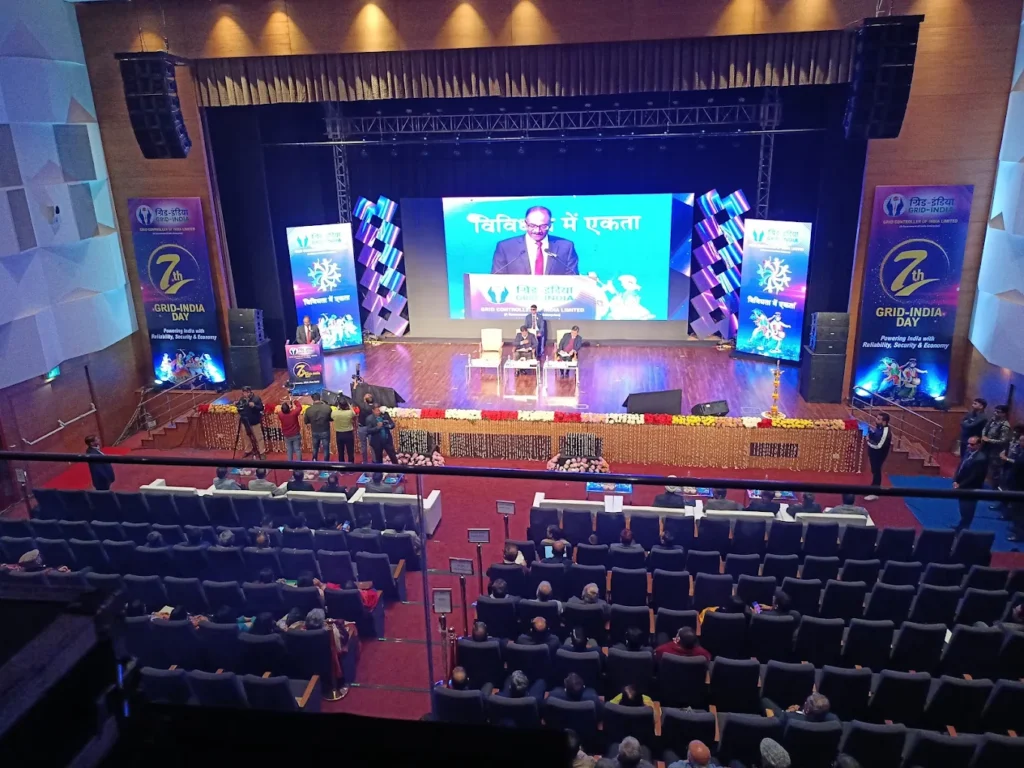
Corporate communication has evolved far beyond physical conference rooms and auditoriums. Today, businesses can extend their reach to employees across locations, customers in different time zones, partners worldwide, media outlets, investors, and remote stakeholders—all through professional live streaming. Unlike casual social-media broadcasts, professional event streaming requires careful planning, quality equipment, and technical expertise to deliver a polished viewing experience. This guide covers the essentials of corporate event live streaming, including conferences, seminars, webinars, hybrid events, product launches, and press conferences. Whether you are planning an annual general meeting, a training programme, or a major product announcement, understanding the production workflow and key considerations will help you make informed decisions. For organizations in the National Capital Region, Shriji Broadcasting operates as a Delhi-based media and broadcasting business that may be relevant when researching local event-streaming service providers. What Is Corporate & Professional Event Live Streaming? Corporate event live streaming refers to the real-time transmission of business events over the internet to remote audiences. The basic production flow involves capturing video and audio from the physical or online event, processing it through live production equipment, adding graphics or presentation overlays, transmitting via internet connection, and delivering the stream to a viewing platform where audiences can watch live or on-demand. The key difference between traditional event recording and live streaming is timing and audience access. Recording captures content for later viewing, while live streaming enables real-time participation from anywhere with internet connectivity. Professional events typically require more planning than casual live video because they involve multiple speakers, presentation slides, clear audio capture, event graphics, precise timing, reliable connectivity, and structured audience access. Every element—from speaker visibility to seamless transitions—contributes to a viewing experience that reflects the professionalism of your organization. Corporate Event Live Streaming Corporations use live streaming for a wide range of internal and external events. Common applications include annual general meetings, town halls, employee recognition ceremonies, company announcements, award functions, business meetings, corporate celebrations, internal communications broadcasts, and external stakeholder events. The benefits of corporate event live streaming include enabling remote participation for employees in different offices or working from home, expanding access beyond venue capacity, facilitating live engagement through chat or Q&A features, creating event recordings for on-demand viewing, and supporting digital distribution across multiple platforms. Organizations in Delhi NCR searching for corporate live streaming services should consider providers who understand business communication requirements and can deliver reliable streaming for corporate event live streaming Delhi scenarios. Conference Live Streaming Conferences often feature keynote speeches, panel discussions, presentation sessions, Q&A segments, multiple speakers, and parallel tracks across different rooms or time slots. Live streaming a conference allows remote attendees to participate in sessions they otherwise could not attend physically. Important considerations for conference live streaming include ensuring speaker visibility through appropriate camera angles, capturing clear audio from each presenter, displaying presentation slides legibly for online viewers, managing smooth transitions between sessions, communicating the event schedule clearly, and providing audience instructions for accessing the stream. For a conference, the online viewer should be able to understand both who is speaking and what is being presented without confusion. Organizations seeking conference streaming services in Delhi should prioritize providers experienced in multi-session event coverage. Seminar Live Streaming Seminars—whether educational, industry-focused, professional development, training programmes, institutional sessions, or expert talks—can benefit significantly from live streaming. Seminar live streaming enables participants who cannot travel to the venue to still access valuable content and learning opportunities. Speaker clarity and presentation visibility are particularly important for seminar webcast scenarios because the educational value depends on attendees being able to follow both the speaker’s explanations and any visual materials such as slides, diagrams, or demonstrations. Organizations planning seminar live streaming Delhi events should ensure their streaming setup captures the speaker clearly and displays presentation content in high resolution. Webinar Production A webinar is an online-first event format where speakers present remotely or from a studio, typically using screen sharing, slide presentations, and interactive features such as polls and Q&A. Unlike streaming a physical conference, webinar production focuses on creating a polished online experience from the outset rather than broadcasting an in-person event. What Does Webinar Production Involve? Professional webinar production includes several key steps: speaker preparation and coaching on timing and delivery, presentation preparation with branded slides and visuals, audio and video testing for all presenters, platform testing to ensure stability, screen-sharing checks to confirm content displays correctly, audience access setup with registration and authentication, and recording configuration for on-demand distribution. Organizations seeking webinar production services should look for providers who can manage the technical workflow end-to-end, from pre-event rehearsals to live moderation and post-event follow-up. Webinar live streaming requires reliable internet connectivity, professional audio capture, and a platform that supports the desired level of audience interaction. Hybrid Event Production Hybrid events combine a physical audience at a venue with a remote online audience watching via stream. This format presents unique challenges because production must serve both audiences effectively. Considerations include venue audience experience, remote audience engagement, speaker interaction with both groups, managing remote questions, avoiding audio feedback between room and stream audio, displaying presentations clearly, maintaining event timing, and designing engagement activities that work for both audiences. A critical principle in hybrid event production is that online participants should be considered during event planning rather than treated as an afterthought. This means designing the run-of-show, speaker positioning, camera coverage, and interaction points with both audiences in mind from the beginning. Organizations planning hybrid event streaming Delhi events should work with providers who understand the dual-audience dynamic and can deliver hybrid event streaming that feels cohesive for everyone. Product Launch Streaming Companies increasingly stream product launches, service announcements, technology unveilings, brand events, and marketing activations to expand access beyond the physical venue. Product launch streaming can reach customers, partners, media, and stakeholders who cannot attend in person. Important elements for product launch live streaming include ensuring clear product visibility through appropriate camera work, coordinating presentation timing with product reveals, capturing speaker coverage professionally, incorporating branding consistently, providing reliable

Corporate & Professional Event Live Streaming: Complete Guide to Conferences, Seminars, Webinars, Hybrid Events, Product Launches & Press Conferences Read More »

Sports Broadcasting: Complete Guide to Cricket Live Streaming, Tournaments & Local Sports

Sports viewing has changed dramatically in the digital age. A match that once required physical presence at the venue can now be watched live from anywhere with an internet connection. This transformation applies not only to professional cricket but also to school sports days, local tournaments, community competitions and club-level events across India. Sports broadcasting differs significantly from ordinary event videography. It involves continuous live video coverage, real-time audio capture, professional commentary, live scoreboard information, multiple camera viewpoints and reliable online distribution to viewers on platforms such as YouTube, Facebook or custom streaming servers. For organizations in Delhi/NCR researching local live-streaming options, companies like Shriji Broadcasting represent one of the regional service providers offering videography and live webcasting services. This guide explains what sports broadcasting entails, how cricket live streaming works, what tournament coverage requires, and how schools and local organizers can approach professional-quality streaming for their events. What Is Sports Broadcasting? Sports broadcasting refers to the live production and transmission of sports events to remote audiences through television, digital platforms or online streaming services. The basic workflow follows a clear sequence: live match action is captured by multiple cameras, audio is recorded separately, feeds are switched and mixed in a production unit, graphics and scoreboard information are overlaid, and the final signal is encoded and transmitted over the internet or broadcast networks to viewers. This process requires more than simply pointing a camera at the game. Sports broadcasting demands continuous coverage that follows fast-moving action, synchronized audio from commentary and venue announcements, accurate timing for score updates, professional graphics for team and player information, and reliable transmission that does not drop during critical moments. These elements together form what industry professionals call live sports broadcasting or sports broadcasting services. Cricket Live Streaming Cricket live streaming involves broadcasting a cricket match in real time so that remote viewers can watch ball-by-ball action as it happens. Production typically includes coverage of batting, bowling and fielding from multiple viewpoints, live commentary to explain context, score updates showing runs, wickets and overs, and full match recording for later viewing. Applications extend beyond professional tournaments. Club cricket, school cricket matches, college competitions, corporate cricket leagues and community tournaments can all benefit from live streaming. For organizers in Delhi searching for cricket live streaming Delhi options, several local production companies and streaming-service providers operate in the NCR region. The key is selecting a setup that matches the event’s scale, audience expectations and available infrastructure.play. 1. Cricket Tournament Live Streaming Tournament streaming differs from single-match coverage because it involves multiple matches across several days, often on different grounds, with consistent production quality throughout. Organizers must plan for tournament schedules, team and player information tracking, score updates for each match, rankings or results tables, sponsor information display and reliable stream links that audiences can access for every game. What Makes Cricket Tournament Streaming Different? Consistency and advance planning are critical. Tournament organizers need to coordinate match scheduling, prepare reusable graphics templates for team names and scores, ensure stream links remain stable across days, maintain match recordings for highlights or disputes, and provide a central information hub where viewers can find fixtures and results. These elements distinguish cricket tournament live streaming and cricket tournament broadcasting from one-off match streams. Local cricket live streaming for smaller tournaments can adopt simplified versions of these practices while still delivering professional-looking coverage. 2. Sports Live Streaming While cricket dominates sports broadcasting in India, live streaming applies to many other sports including football, hockey, basketball, badminton, kabaddi, athletics and school sports events. Different sports create different production requirements. Cricket may rely heavily on pitch-level and scoreboard coverage with periodic wide shots of the ground, while football requires continuous tracking across a larger playing area with cameras following the ball. Sports live streaming services must adapt camera placement, commentary style and graphics to each sport’s pace and geometry. For organizations researching sports live streaming Delhi or sports streaming services in the NCR region, understanding these differences helps in selecting the right production partner and platform. 3. School Sports Live Streaming School sports days, inter-school competitions, annual athletics meets and school-level cricket or football matches are increasingly being streamed online. Live streaming enables parents and relatives who cannot attend in person to watch events remotely, increases participation from the wider school community, and creates recorded content that schools can share later.play. Because school events may involve minors, schools should follow their own consent, safeguarding and privacy policies before publishing live or recorded footage. Many schools in Delhi/NCR now work with local streaming providers to deliver sports day live streaming and school event live streaming while maintaining appropriate privacy controls.play. 4. Local Tournament Broadcasting Local cricket leagues, club tournaments, community sports competitions, amateur tournaments and district-level school or college events form the backbone of grassroots sports in India. Professional online coverage can give local players and organizers a digital presence even when an event does not have access to large television broadcast networks.play. Local tournament broadcasting and local sports live streaming allow smaller competitions to reach audiences beyond the immediate venue, create shareable highlights for social media, and provide recorded matches for coaching or review. For organizers researching local cricket live streaming or tournament broadcasting options, even modest multi-camera setups with basic graphics can significantly enhance viewer experience. 5. Scoreboard & Live Commentary Production Sports broadcasting is not only about video. Scoreboard information, live commentary and on-screen graphics play essential roles in helping remote audiences understand and enjoy the event. Live Scoreboard A live scoreboard displays information such as score, overs, wickets, game time, team names and match result in cricket, or equivalent data for other sports. The specific information depends on the sport being broadcast. Accurate, timely scoreboard updates help viewers follow the match without confusion. Live Commentary Live commentary provides context, explains tactics, identifies players and keeps remote audiences engaged throughout the event. Effective commentary requires a clear voice, good timing with the live action, relevant information rather than filler, knowledgeable commentators who

Sports Broadcasting: Complete Guide to Cricket Live Streaming, Tournaments & Local Sports Read More »

Technical Broadcasting: Complete Guide to Multi-Camera Live Streaming, Webcasting & Multi-Platform Streaming 

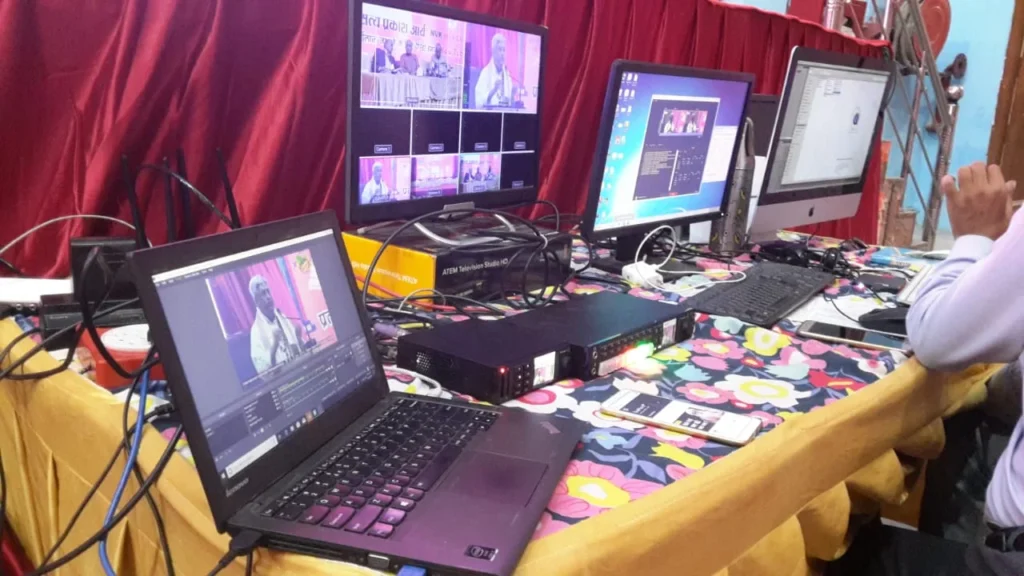
When you watch a professional live stream, it often looks simple—just press play and the event unfolds. But behind that smooth viewing experience lies a carefully orchestrated technical operation involving cameras, audio systems, live production switching, graphics, internet connectivity, streaming platforms, and recording infrastructure. This behind-the-scenes complexity is what separates amateur streaming from professional broadcasting. Technical broadcasting refers to the complete technical infrastructure and planning required to deliver high-quality live video content to remote audiences. Whether you’re organizing a corporate conference, sports tournament, religious ceremony, educational webinar, or cultural programme, proper technical planning directly impacts viewer engagement, message clarity, and overall event success. For organizations in Delhi/NCR considering professional live streaming, understanding these technical fundamentals helps in making informed decisions about production requirements and provider selection. Shriji Broadcasting, a Delhi/NCR-based media and broadcasting business, operates within this professional live streaming and video production landscape, serving various event categories through its broadcasting capabilities. What Is Technical Broadcasting? Technical broadcasting encompasses the combination of video capture, audio engineering, live production, connectivity infrastructure, and distribution platforms required to transmit live video content to remote viewers. Think of it as the technical backbone that transforms a physical event into a professional-quality digital broadcast accessible anywhere with internet connectivity. The distinction between simple live streaming and professional live broadcasting lies in technical depth and production quality. A smartphone livestream might use a single camera with built-in audio and direct platform upload. Professional live broadcasting, however, typically involves multiple cameras capturing different angles, dedicated audio mixing from the venue’s sound system, live switching between video sources, branded graphics overlays, stable high-bandwidth internet connections with backups, and distribution across one or more streaming platforms.markus-hagner- Technical complexity varies significantly depending on event requirements. A small webinar might need one camera and basic audio, while a multi-day conference with keynote speakers, panel discussions, and audience interaction could require three to five cameras, professional audio mixing, presentation integration, and multi-platform distribution. The number of speakers, venue size, audience expectations, platform requirements, and production goals all influence the technical broadcasting approach. Organizations should assess their specific needs rather than assuming one setup fits all scenarios. How a Professional Live Broadcast Works Understanding the workflow of a professional live broadcast helps clarify where technical planning matters most. The process typically follows this sequence: Cameras capture video from different angles—wide shots establishing the venue, medium shots of speakers, close-ups for emphasis, and audience reaction shots. Each camera feeds into a central production system. Audio is captured separately from the venue’s mixing desk or dedicated microphones, ensuring clear sound independent of camera positioning. Professional audio is critical because viewers tolerate video quality issues more readily than poor audio. Production and switching happens through a video switcher or production software where a director selects which camera feed or graphic appears at each moment. This creates dynamic, engaging broadcasts rather than static single-angle streams. Graphics such as lower-thirds, logos, titles, and transitions are added during production to enhance branding and information delivery. Encoding and transmission converts the programme signal into a digital stream suitable for internet delivery, using hardware or software encoders that compress video efficiently while maintaining quality. Streaming platforms like YouTube, Facebook, or LinkedIn receive the encoded stream and distribute it to viewers across devices. Viewers access the broadcast through platform links, embedded players, or apps, ideally experiencing smooth playback with synchronized audio and video. Multi-Camera Live Streaming Multi-camera live streaming means using two or more cameras simultaneously to capture an event from different perspectives, then switching between these feeds during the broadcast. This approach creates a more dynamic, professional viewing experience compared to single-camera streams. Consider how different event types benefit from multiple camera angles: Corporate events might use one camera for the main speaker, another for presentation slides or screens, and a third for audience reactions or panel discussions. This variety keeps remote viewers engaged and ensures important content is clearly visible. Sports broadcasting typically employs a main action camera following play, a wide shot showing field positioning, and additional cameras for scoreboards, sidelines, or specific athletes. Multi-camera coverage captures the full sporting experience for remote audiences. Religious events often benefit from a ceremony-focused camera, a speaker close-up camera, and a wider venue shot showing the congregation or overall atmosphere. This combination serves both devotional viewing and informational purposes. The number of cameras should match event complexity and budget. While three cameras often provide good coverage for standard events, some productions may need only two, while large conferences might use five or more. Why Multi-Camera Streaming Can Improve a Broadcast Multi-camera setups offer several advantages when properly executed. They provide more visual choices for the director, enabling smoother transitions and better pacing. Different camera angles ensure important moments aren’t missed due to poor framing. Audience coverage adds energy and context that single-camera streams lack. Presentation integration becomes cleaner when slides can be shown full-screen rather than as a small portion of a wide shot. However, multiple cameras don’t automatically guarantee better quality. Each additional camera requires an operator, proper positioning, technical coordination, and increased bandwidth. Organizations should balance production value against practical constraints and event requirements. Live Webcasting Live webcasting refers to broadcasting live video content over the internet to remote audiences, typically for structured events like conferences, seminars, corporate programmes, educational sessions, religious ceremonies, or public programmes. While “webcasting” and “live streaming” are often used interchangeably, webcasting sometimes implies more formal, scheduled events with larger audiences and professional production. Successful webcasting depends on several technical factors. Stable internet connectivity with sufficient upload bandwidth is essential—professionals recommend at least 10 Mbps stable upload for 1080p streaming, with backup connections for critical events. Audio quality directly impacts viewer comprehension and engagement, making dedicated audio feeds from mixing desks preferable to camera microphones. Video quality should match audience expectations and platform capabilities, with 1080p at 30 fps being a common professional standard. Scheduling matters for audience attendance—promoting the stream link 48 hours in advance helps maximize viewership. Platform compatibility ensures viewers can access

Technical Broadcasting: Complete Guide to Multi-Camera Live Streaming, Webcasting & Multi-Platform Streaming  Read More »